
Niles Community Schools
A District Designed for Every Learner
Located in the southwest corner of Michigan, just five miles from the Indiana border, Niles Community Schools (NCS) serves a diverse student population of nearly 4,000 individuals. The district provides a vast array of educational facilities and personalized pathways, including the Northside Child Development Center, two elementary schools (Ballard and Howard-Ellis), the Ring Lardner Middle School, and Niles High School, as well as the Eastside Connections K-8 project-based school. To meet the unique needs of its learners, the district offers specialized programs such as Kinder Connections for early readiness, Niles Virtual School, and alternative options like Cedar Lane, WAY, and WAY Forward programs. This comprehensive approach is designed to support success for all, from the students in the homeschool partnership to those receiving support at the Southside center-based program or the Adult Education Center.
Personalized Pathways, Growing Leaders, and Positive School Culture
Niles Community Schools prioritizes student-centered learning at the elementary level through specialized STEM initiatives and hands-on makerspaces. Howard and Ballard elementary schools feature dedicated makerspaces where students engage in "Makers Days," utilizing electronics, coding, and materials like Legos and wood strips for creative building. At Ballard specifically, K-3 students in STEM classes explore technology using Ozobots and Sphero Indi robots for color coding, while all grades apply engineering skills to projects like building homecoming floats, gingerbread houses, and nutcracker ornaments.
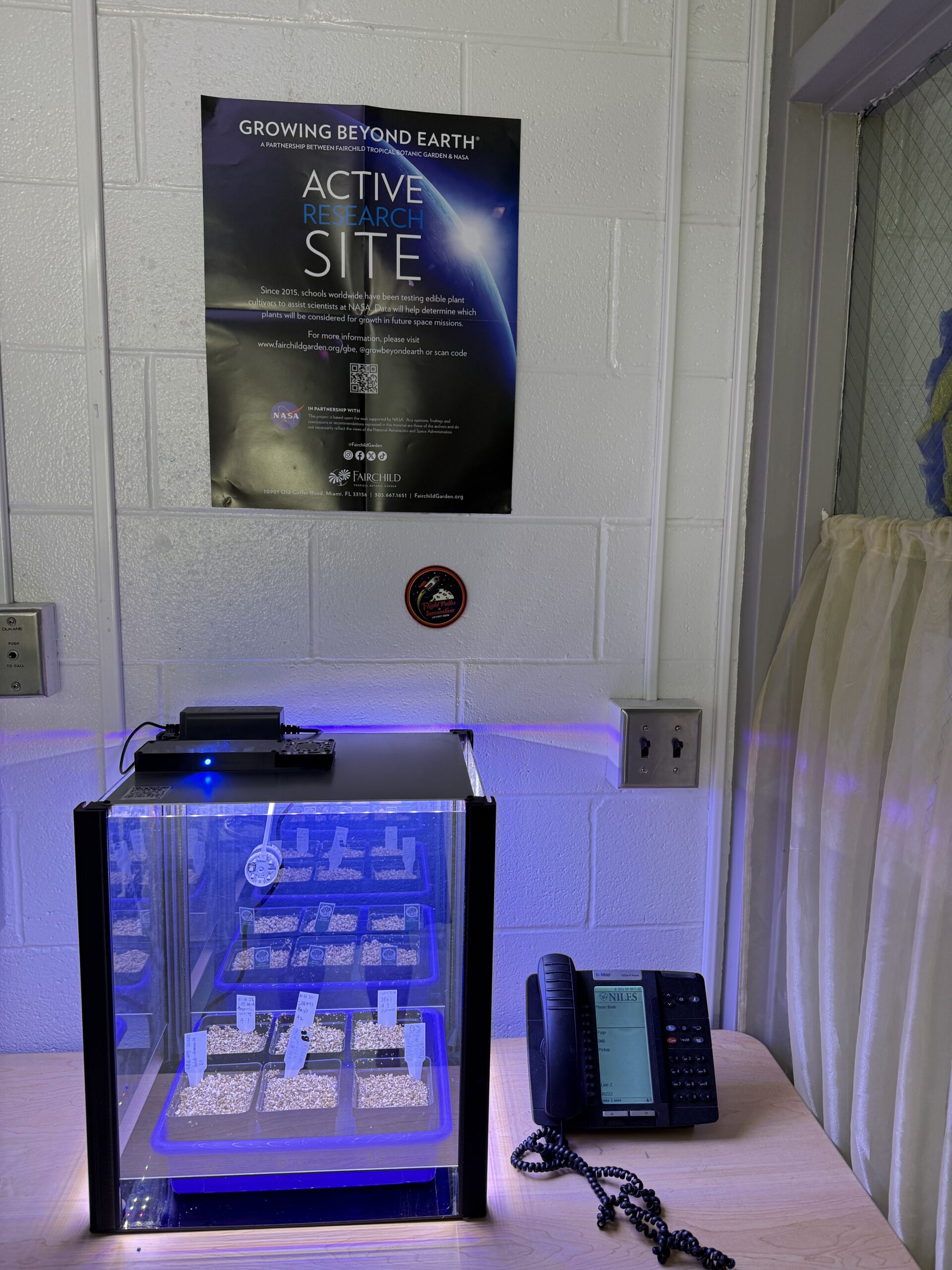
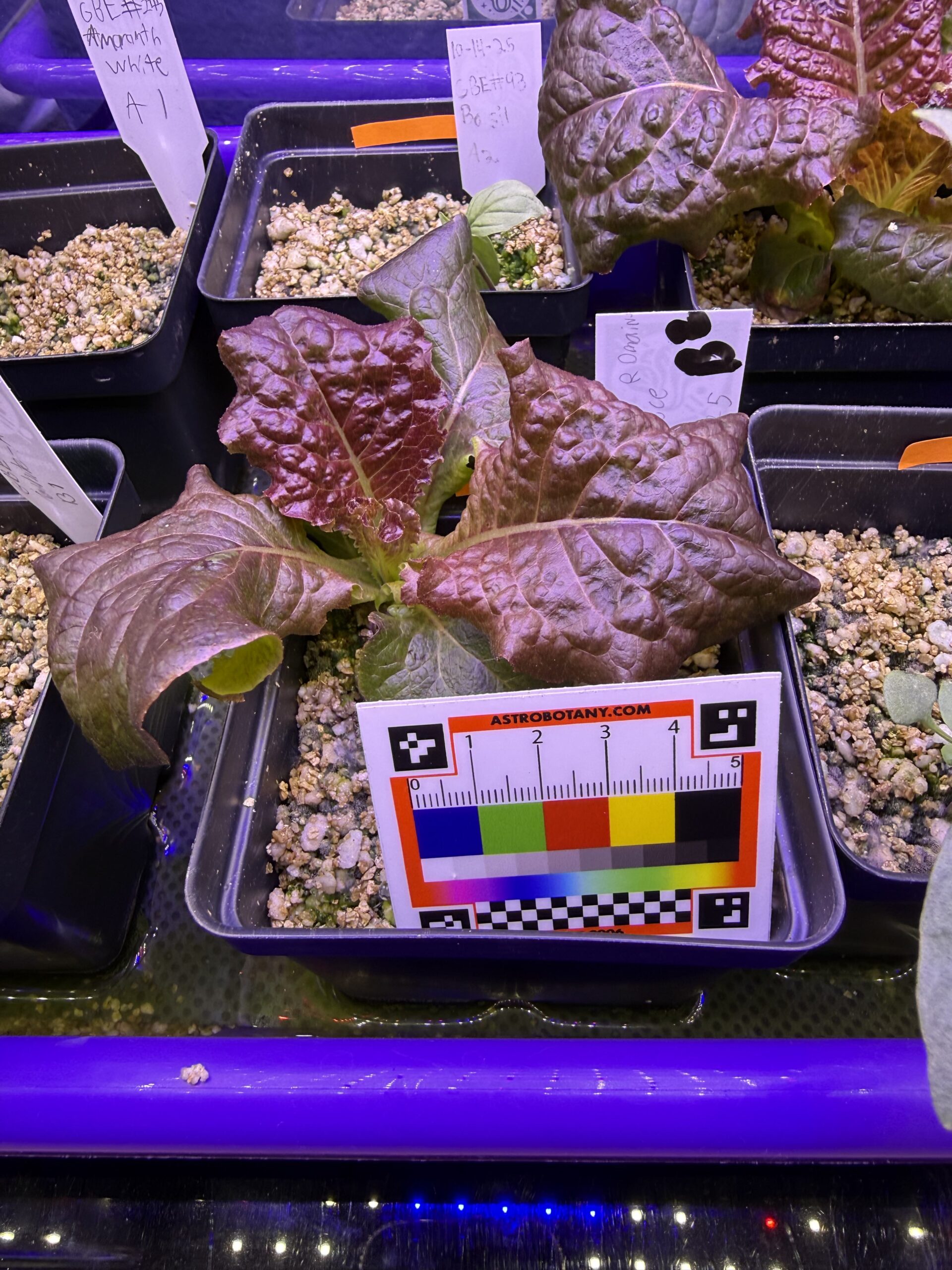
Ring Lardner Middle School teachers have been leveraging hydroponic tower gardens to help students observe and investigate plant characteristics, fostering both scientific inquiry and a positive perspective on healthy eating. Another unique program the 7th-grade students participate in is called Growing Beyond Earth. They collect Level One research for NASA using a Veggie growing chamber, the same unit that is used on the International Space Station. In the fall, students test three new varieties of plants to see how well they grow in the chamber. The goal is to see if one day these plants can be grown on the International Space Station for the astronauts. In the spring, students develop their own experiment to test and then present the data to other participating schools and NASA staff.
Leadership and social-emotional growth are central to the elementary experience, particularly through PBIS (Positive Behavioral Interventions and Supports) Teams. These student-led teams allow children to take active roles in their school culture, such as the Safety Patrol Team assisting with arrival routines and the Peer Mediator Team helping classmates resolve conflicts. Additionally, the Viking Challenge Attendance Team provides peer mentorship for those needing extra support, while the 3R's Publicity Team creates posters and videos to celebrate school achievements.
The district also ensures academic readiness and continuous growth through early childhood and summer programming. Kinder Connections, established in 2016, offers a school-readiness curriculum for students who are of school age but need additional academic or social support before entering kindergarten. To prevent learning loss during the summer months, the "Summer My Way" program, a partnership with the YMCA, allows K-5 students to explore careers and interests in two-week blocks. Literacy is further supported by "Pop-Up Libraries" at lunch sites and "Book Fairy" home visits, where teachers deliver books directly to students based on their personal interests.
Problem-Based Learning at Eastside Connections
At Eastside Connections School (ECS), students engage in a personalized, problem-based learning model that transforms them into problem solvers. Despite being a school of choice that does not offer busing and requires a parental volunteer commitment, the demand for the program is high; each grade level maintains two full sections, and a waitlist exists every year. This popularity is matched by a stable and dedicated staff culture where the average teacher has 15 to 20 years of experience, and notably, no teacher has transferred out of the building in the last ten years.
This K-8 school emphasizes a curriculum where students apply their knowledge through solving real-world problems, often starting with a driving question or problem to be solved provided by local business partners. In this environment, mistakes are not just allowed but encouraged as essential steps in the learning process, and mastery is measured on a 1-to-4 proficiency scale rather than traditional grading alone.
Seventh-grade students at ECS experience this personalization through various creative and collaborative projects:
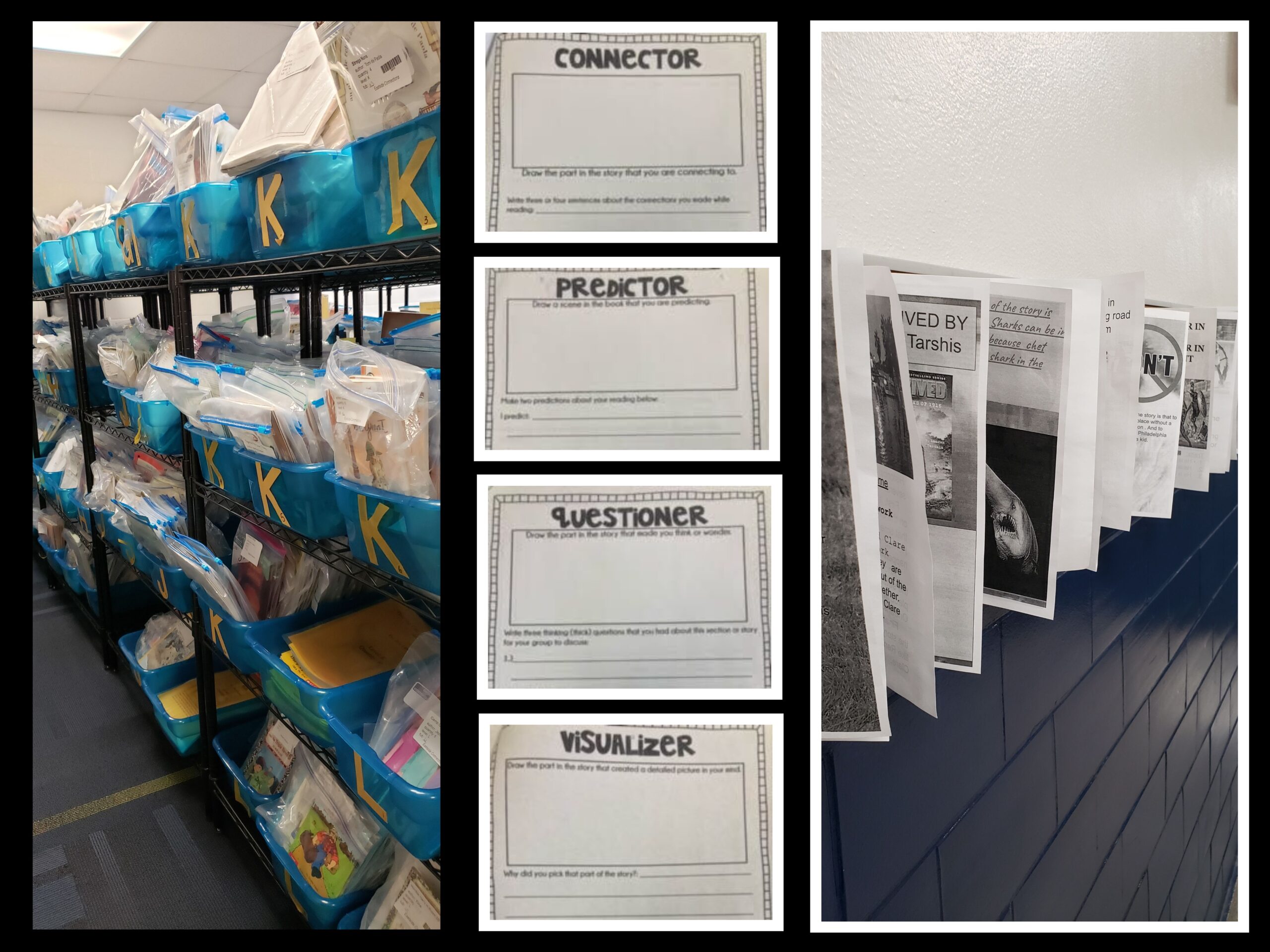
- Multimedia Book Clubs: Students participate in small book clubs where they not only discuss their readings but also produce a two-page spread featuring quotes and pictures, and even record their own podcasts to review the books.
- Global Research & Marketing: Collaborating with partners, students research foreign species using reliable sources like .gov and .org websites. They then create brochures that include creative, real-world elements like restaurant menus or merchandise items relevant to the country studied.
- Creative Literacy & Data: Other student-centered options include March Madness Poetry, where poetry faces off against slam poetry, and infographic projects where students choose both their topic and the type of data visualization (such as statistical or timeline) to demonstrate their learning.
Student leadership is also a cornerstone of the middle school experience at ECS. Students take the lead in running the school store—surveying their peers to select products, placing orders, calculating profit margins, and researching charities to receive a percentage of the proceeds. They also plan and implement major building events like family nights and dances, taking full responsibility for decision-making and organization. This model encourages students to take ownership of their education, a sentiment reflected by a 7th-grade student, who shared that their problem-based work was "a lot more memorable than a book report, and it was a lot of fun working together."
Outside of the traditional school year, middle schoolers have additional opportunities like a week-long summer STEM camp for 6th-8th-grade girls, where they work alongside female professionals to explore careers in science, engineering, and technology.
Preparing Students for College, Careers, and Life
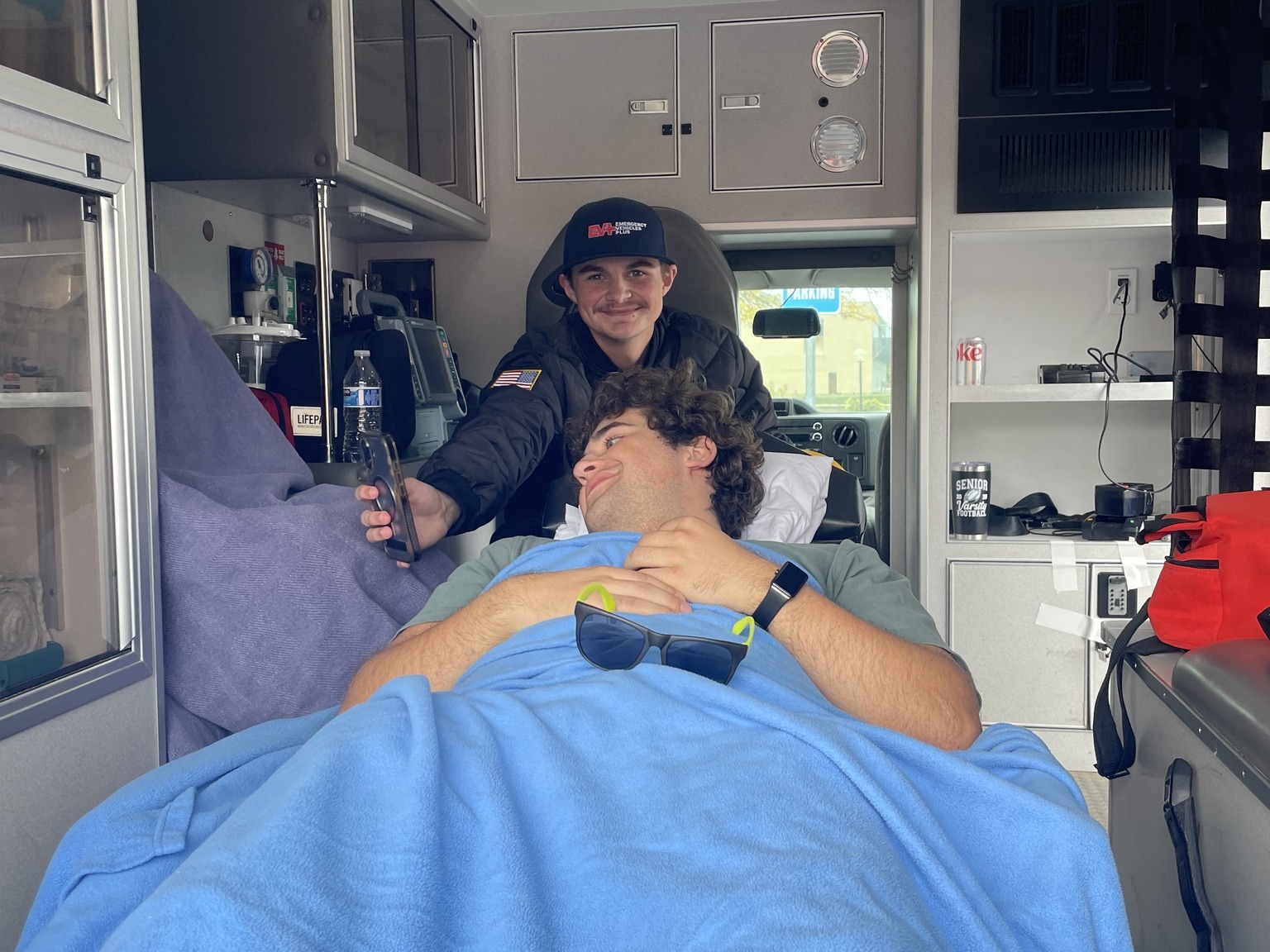
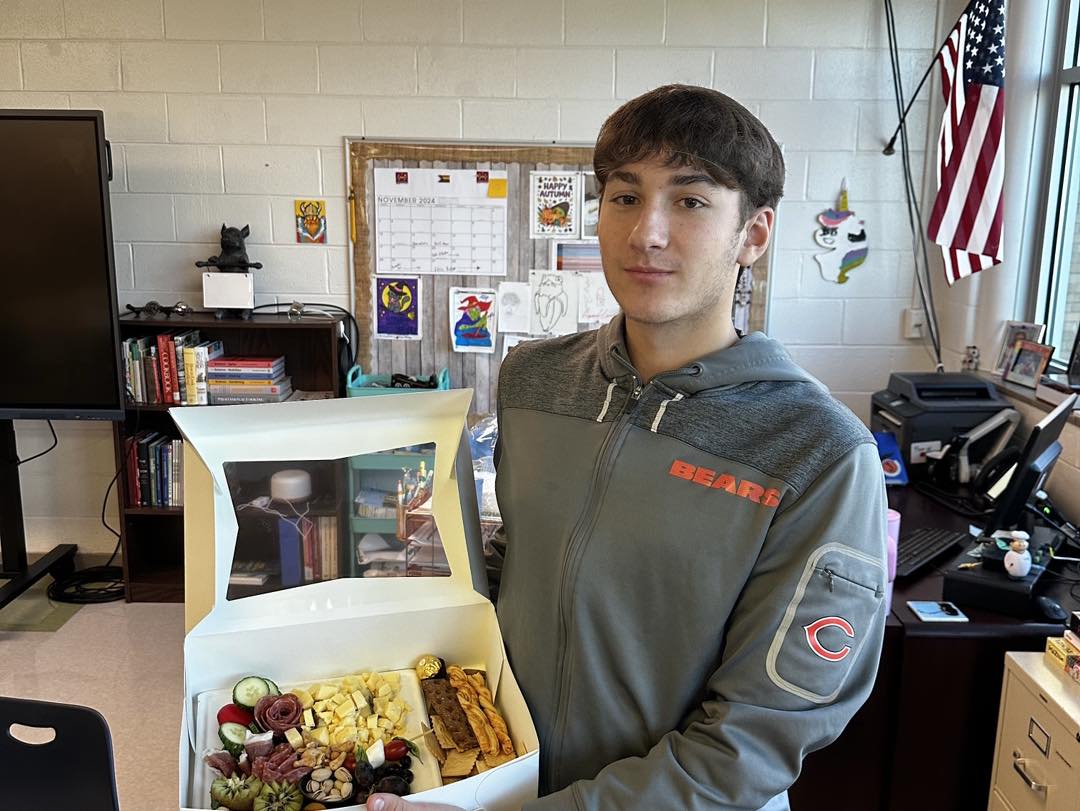
Niles High School (NHS) provides a comprehensive array of academic, social, and athletic opportunities, with over 60% of graduates choosing to pursue postsecondary education. A major component of the high school experience is the district's robust Career and Technical Education (CTE) offerings. Students can explore specialized fields directly at NHS, including Agriscience, Automotive Technology, Business and Marketing, Culinary Arts, and Graphic Design and Production. CTE shared-time programs Niles students can attend in other districts include Criminal Justice, Computer Networking, CISCO, Sports Medicine, Manufacturing, and CAD. For those interested in healthcare or industrial trades, the district partners with local colleges; students in the Allied Health and Professional Health Careers Academy attend classes at Lake Michigan College, while those in Mechatronics or Welding programs take courses at Southwestern Michigan College. Furthermore, students have access to a variety of county-wide CTE programs such as Firefighting, EMT, Robotics, and Construction Trades.
To bridge the gap between high school and higher education, NHS offers several advanced academic pathways. Through dual enrollment partnerships with Lake Michigan College and Southwestern Michigan College, students can earn college credit for up to 10 courses while still in high school. Another rigorous option is the Berrien County 5th Year Early/Middle College program, which allows students to begin college coursework in 11th grade and complete a 13th year to earn an associate degree or certificate at no cost. For students seeking high-level rigor in a traditional setting, the high school offers 10 Advanced Placement (AP) courses ranging from Calculus and Biology to Psychology and 3-D Art and Design.
Those who excel in STEM fields may have the opportunity to participate in a prestigious half-day program at the Berrien RESA Math and Science Center at Andrews University. Each year, five to eight high-performing students from Niles are selected for this challenge based on their grades, SAT scores, and teacher recommendations. While participating in this program, students are immersed in advanced mathematics, science, and technology coursework, with the opportunity to earn university credit as they prepare for competitive postsecondary paths.
Niles Virtual School: Learning at Your Pace, Your Way
For students who thrive with flexibility, Niles Virtual School (NVS) offers a personalized, asynchronous learning experience for learners in kindergarten through 12th grade. Students move through semester- or year-long courses at their own pace, with the freedom to learn when and how it works best for them.
NVS serves full-time students, homeschool families, and private school students across Michigan who are enrolled with Niles Community Schools. Like all Michigan virtual programs, students receive a computer and internet access if needed, are supported by a NilesTeacher of Record for each class, and connect with a mentor at least once a week to stay on track and supported.
District curriculum is designed by NVS teachers using Canvas, where courses include lessons, “dig deepers,” and mastery sections. Students are encouraged to show what they know in different ways (e.g., creating, speaking, presenting, or test-taking) rather than relying on a single method to demonstrate learning. Time-on-task is also tracked, helping students build responsibility and self-management skills along the way.


Niles Virtual offers both core and elective courses, giving students real choice in shaping their schedules. Full-time K–5 students take core courses through Lincoln Learning, while grades 6–8 use Imagine Edgenuity. Electives can come from a wide range of sources, including Michigan Virtual, Imagine Edgenuity, Edmentum, APEX, and more. Students can also take in-person electives in other district buildings or select from the district’s Elective Canvas Course catalog.
High school students have additional opportunities to personalize their learning through AP courses, Career and Technical Education (CTE), and dual enrollment. As of 2021, NVS has partnered with 30 colleges and universities, including U of M-Flint and Western Michigan University, opening doors for students to earn college credit while still in high school. To support success, students complete a Dual Enrollment Counseling course before approval, helping them understand expectations and prepare for college-level work.
Students taking elective Canvas courses also enroll in an NVS Connections (Homeroom) course, which keeps communication clear through announcements, forms, and testing information. Even parents get involved. Before they can enroll their children, they must take the required orientation class. This course helps them to understand how to submit assignments, fill out pdf forms, and experience everything their child will need to do. Response to the class is positive, with parents sharing that it has helped them help their child be successful in their online classes. NVS electives are available to any student who is enrolled in Niles Community Schools as a class on their schedule.
Learning Beyond the Screen
Some Canvas courses are paired with Optional Learning Experiences (OLE), adding even more flexibility and real-world connection. OLEs allow students to learn from community experts in both in-person and virtual settings. Offerings span land and animal studies, home economics, music, visual and performing arts, physical education, and world languages. Courses like Safari Hunt, Dance Around the World, Innovative Thinking, and Equine Art – Drawing & Painting give students hands-on, interest-driven ways to apply their learning beyond traditional coursework.
WAY and WAY-FORWARD Programs: School, Reimagined
Niles launched the WAY Program in 2011 to support students who want to be “in” school, where help and relationships matter, but not in a traditional setting. Each year, between 100 and 150 students enroll to catch up on credits, graduate early, or learn in a way that better fits their lives. Bussing and meals are provided, removing barriers to access.
In WAY, students co-develop standards-based learning plans with their mentor teachers. Instead of worksheets or lectures, learning happens through projects. Students can choose from teacher-designed projects, adapt existing ones, or design their own based on their interests. About 90% of students use or modify project-based options.
Projects range from Rappers as a Poet in English Language Arts to Running for President in Civics, or even competing against the teacher in an Oregon Trail history challenge. Students can enroll in classes year-round, including summer, and work at any time of day thanks to the program’s virtual structure.
“We build relationships with the student as a person. They want to know that someone is in their corner.”
Andrew Brawley, Director of WAY and WAY Forward
The Centric School learning management system tracks student progress, stores demonstrations of learning, and keeps communication flowing between students, teachers, and administrators. A physical lab space is available for students who need additional support, and students who fall off track are required to work in the lab with staff support. Online help is also available from certified teachers across the state, with one-on-one Zoom lessons or live classes offered regularly.
Niles was the first district in Michigan to open a WAY middle school program, known as WAY Forward. Students choose this option for smaller class sizes and a supportive environment. While courses are virtual, students attend the lab daily, blending structure with flexibility. Unlike the high school program, middle school students often prefer working on projects together, highlighting the collaborative culture that defines WAY Forward.
Niles Cedar Lane: Support with High Expectations
Designed for students who would thrive in a more personalized learning environment, Niles Cedar Lane High School (NCL) offers both in-person and online instruction. Currently, there are about 50 students who attend all day, every day, and 150 who participate online, with the option to attend on Alternative Fridays for instruction from teachers.
Niles Cedar Lane offers a clear path to graduation with a Niles Community Schools diploma. Students focus on the Michigan Merit Curriculum, earning 20 credits through a blend of direct instruction for core courses and virtual electives using Imagine Edgenuity. Students can also choose to participate in any district course offerings, such as CTE, Dual Enrollment, or online elective classes.
Class sizes average just 16 students, allowing for close relationships and individualized attention. Students attend full seven-hour days, with opportunities for electives, virtual courses, or special programs once they are caught up academically. Bussing, breakfast, and lunch are provided, and students can move between in-person and virtual learning as needed.
Niles Cedar Lane’s culture centers on attendance, academics, and attitude. Staff closely monitor progress and accountability, creating an environment where students know adults care about their success. As one student put it, “They care because they make me do my work.” While students can take every other Friday off if they are passing all their classes and have full attendance, most choose to come to school.
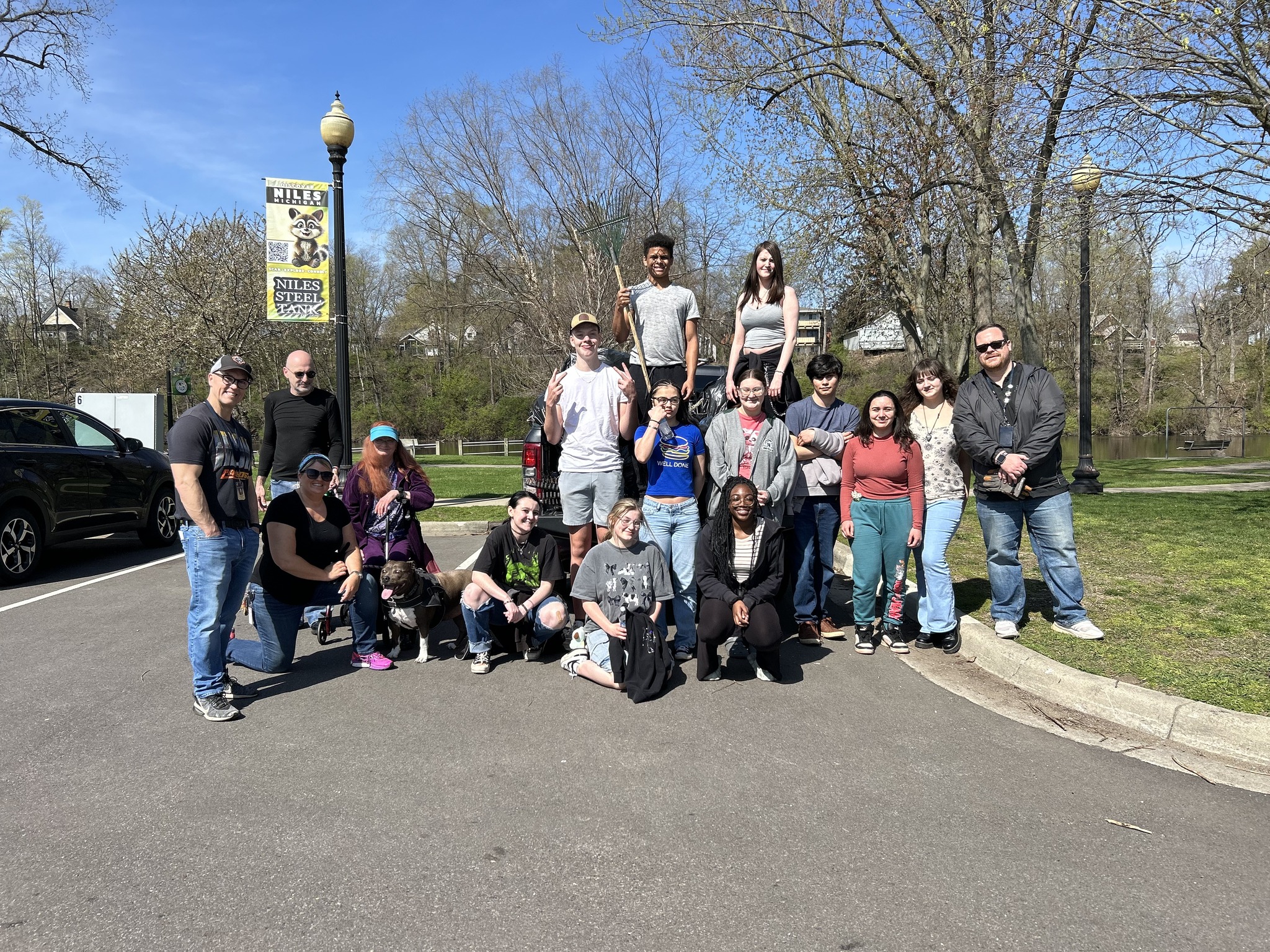
A Behavior Specialist supports students through individual meetings, anxiety and depression groups, a girls’ leadership group, and ACEs programming, ensuring social-emotional growth alongside academic progress. Some social-emotional growth occurs through service learning beyond Niles Cedar Lane. Students volunteer with park cleanups, landscaping, and neighborhood service projects, helping students connect learning to community impact.
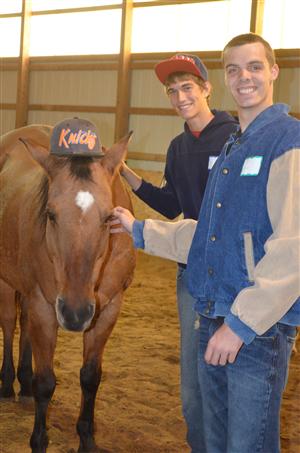
One unique opportunity for students attending NCL is their Reaching for the Reigns program. This program uses service learning to build positive self-image and relationships, provide necessary tools to make a difference in their community, and encourage youth to try new things. To be eligible, students must have good attendance and grades. During the first semester, students visit a horse farm 10 times. They learn how to care for, lead, guide, and groom the horses. They also develop teamwork and leadership skills as well as learn how to reflect on their emotions, behavior, and learning. During the second semester, students spend another nine or ten days using these new skills to mentor special needs students from the Lighthouse Education Center as they use the horses.
Adult Education: It’s Never Too Late
Niles also offers Adult Education for learners ages 16 and up who need a different path. Students enroll for many reasons, such as social anxiety, work or family responsibilities, or the need for a diploma accepted by trade unions. With an average age in the mid-20s to 30s, learners complete virtual coursework through Imagine Edgenuity and can earn a high school diploma, GED, or adult basic education credentials.
Students can work from home or at the lower level of the Niles District Library, where advisors and certified teachers are available Monday-Thursday evenings each week for academic, college, and career support.
Finding the Right Fit
Whether students prefer a traditional classroom, problem-based learning, virtual coursework, or a highly supported alternative pathway, Niles ensures there’s a place where they belong. The district’s wide range of personalized options empowers learners to take ownership of their education—and succeed on their own terms.
Author: Lisa Sitkins, President and CEO, LSS Connections and Consulting, LLC, January 2026
This work was written with the assistance of Google Gemini. The author takes full responsibility for the final content.