
Oxford Community Schools
A Culture of Innovation and Personalization
Oxford Community Schools (OCS) serves more than 5,600 students across 78 square miles in northern Oakland County, making it one of the largest and most diverse school districts in southeast Michigan. The district’s expansive ecosystem includes five elementary schools, a middle and high school, an early learning center, an adjudicated youth facility, an alternative high school, an early college, and a virtual academy with multiple pathways. This diverse array of programming is unified by a single mission that aligns with their strategic goals: prepare students to be knowledgeable and creative critical thinkers who can communicate and collaborate effectively.
At the heart of this mission is the district’s Portrait of a Graduate (PoG). Far from being a static document, the PoG serves as the guiding light for every decision made within the district. Students are active participants in this journey, utilizing their Education Development Plans (EDP) to align their daily learning with PoG competencies. This allows them to understand not just what they are learning, but why, as they begin to visualize their unique futures beyond high school.
By integrating the voices of families, staff, and industry partners, OCS is currently undergoing a collaborative revision of the PoG to ensure it remains a true reflection of changing workforce demands. This evolving framework serves as the catalyst for Oxford’s diverse educational ecosystem, shifting the focus away from a one-size-fits-all model and toward a custom, high-quality education that adapts to the passions and potential of every student.
Classrooms as Active Thinking Spaces
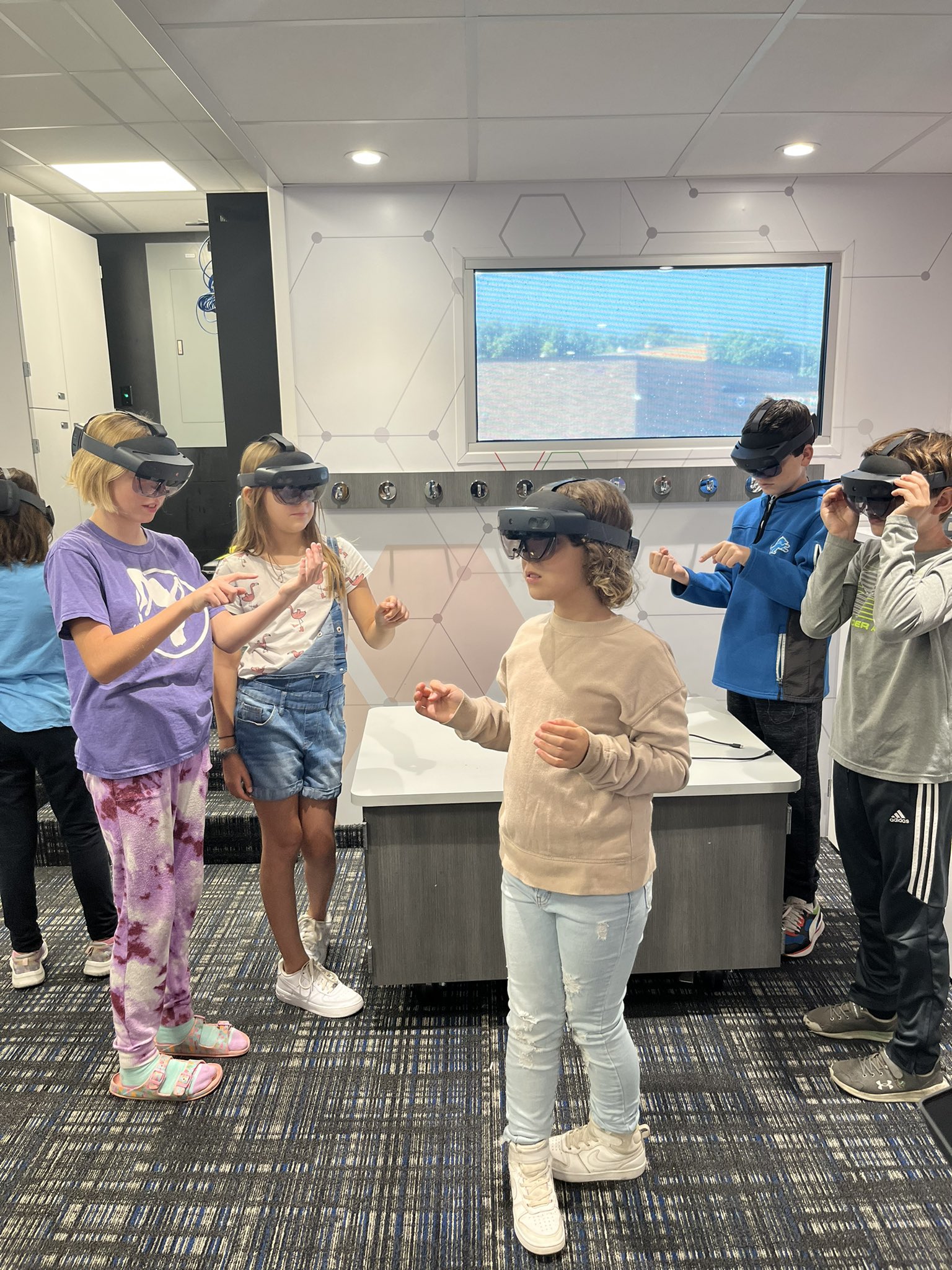
The district is reimagining the traditional classroom to prioritize the development of durable skills, such as complex problem analysis and innovative thinking. One of the sixth-grade classrooms utilizes the Building Thinking Classrooms model to transform passive learning into active group problem-solving. This is only one part of a broader strategy to foster autonomy and perseverance. OCS’s commitment to critical thinking is woven throughout the district through several key instructional shifts:
- Physical spaces offer alternative seating, including kitchen tables, stools, buckets, mushroom seats, and more, to move away from standard desk rows and create environments more conducive to deep, collaborative thought.
- Teachers use a literacy framework to help students read, write, and think in authentic ways specific to different industries. This lens enables learners to apply transferable skills directly to their specific future career goals without altering the core curriculum.
- In STEM and mechatronics pathways, students are encouraged to embrace a "productive struggle." Rather than seeking a perfect first attempt, learners repeatedly assess, update, and refine their projects based on feedback and certification standards.
- Programs such as the Middle School STEM labs, CTE, and MiCareerQuest Southeast engage students in hands-on activities that spark curiosity and help them develop the real-world skills needed for high-demand jobs.
Ultimately, these diverse methods ensure that students are not just receiving information but are actively participating in the high-level thinking required for the 21st-century workforce.
Personalizing the Student Journey
Oxford Community Schools views career readiness as a lifelong journey of self-discovery and growth that begins in elementary school and continues through graduation. To support this, the district is deliberately shifting its educational mindset away from a traditional college track toward broadening post-secondary options, ensuring learners can visualize and prepare for a wide variety of personalized futures. This commitment is reflected in the high level of student engagement in exploring diverse learning pathways.
Mastering High-Demand Skills in Oxford’s CTE Pathways
On the north end of town, Oxford High School (OHS) serves as a hub for academic excellence, delivering a wide array of studies designed to prepare its more than 1,500 students for both college and careers. In addition to rigorous core courses, the district’s Career and Technical Education (CTE) programs offer specialized training in several fields, attracting 78% of the student body.
Its CTE programs provide hands-on, state-approved training in several high-growth fields:
- Mechatronics and Engineering: This advanced pathway combines mechanical, electronic, computer, and systems engineering. In Mechatronics I, students master the design cycle, while Mechatronics II focuses on building large-scale robots, fluid power, and CNC welding. A feature of this program is the ability to dual-enroll in a four-credit Lawrence Technological University course while remaining on the Oxford campus. The pathway culminates in a Senior Capstone Design course where advanced students can serve as independent study mentors. This pathway is seeing a higher number of females enrolling.
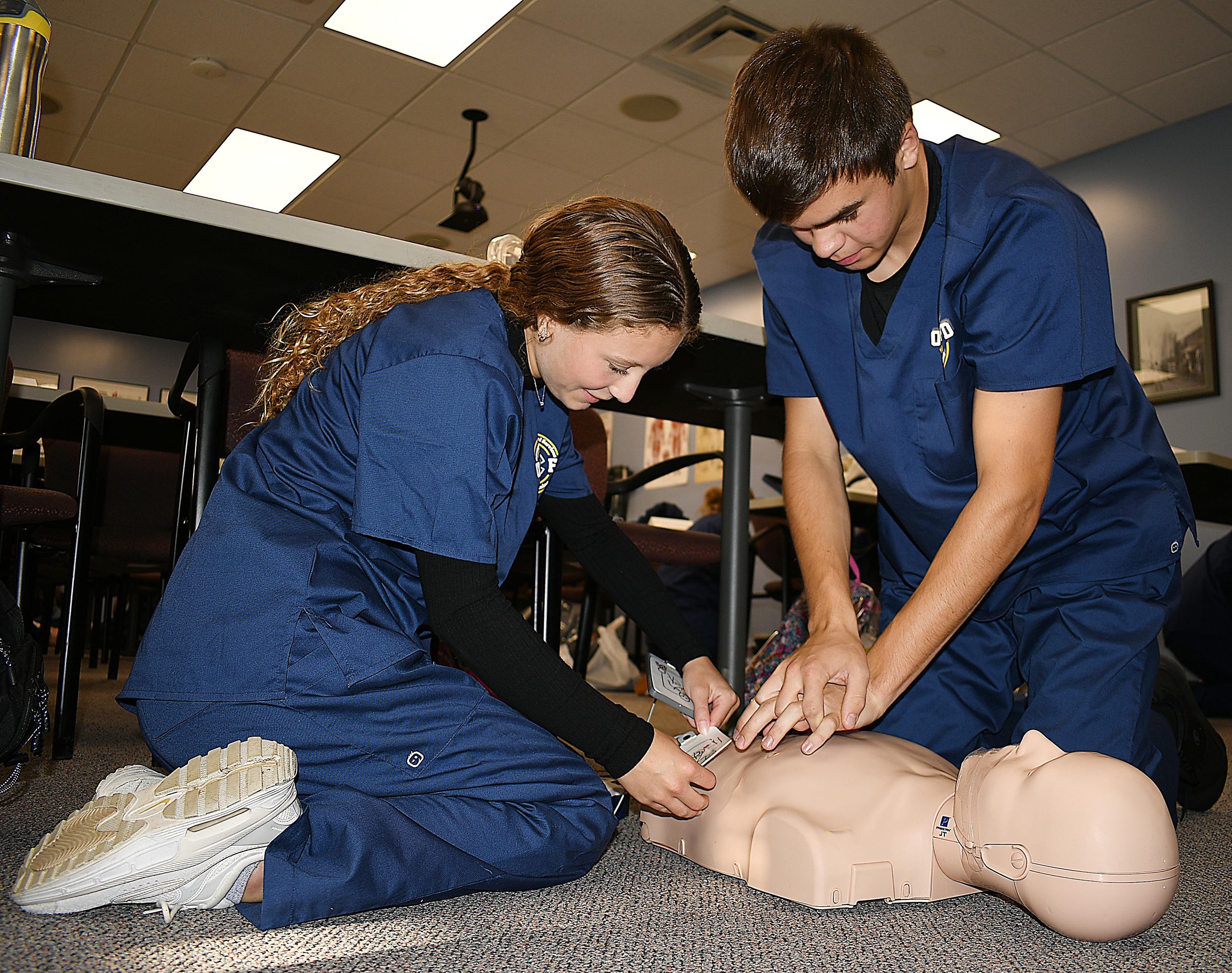
- Health Sciences and EMT: The most recent addition to this program is the Emergency Medical Technician (EMT) course, born from a partnership with the Oxford/Addison Fire Departments to address local staffing needs. Students participate in two-hour block classes at the fire department, combining small-group hands-on lessons with clinical hours in hospitals and on ambulance rides. Graduates often transition directly into full-time employment at the fire station. Those interested in the EMT track can also engage in experiences with the local fire department if they are interested in fire services.
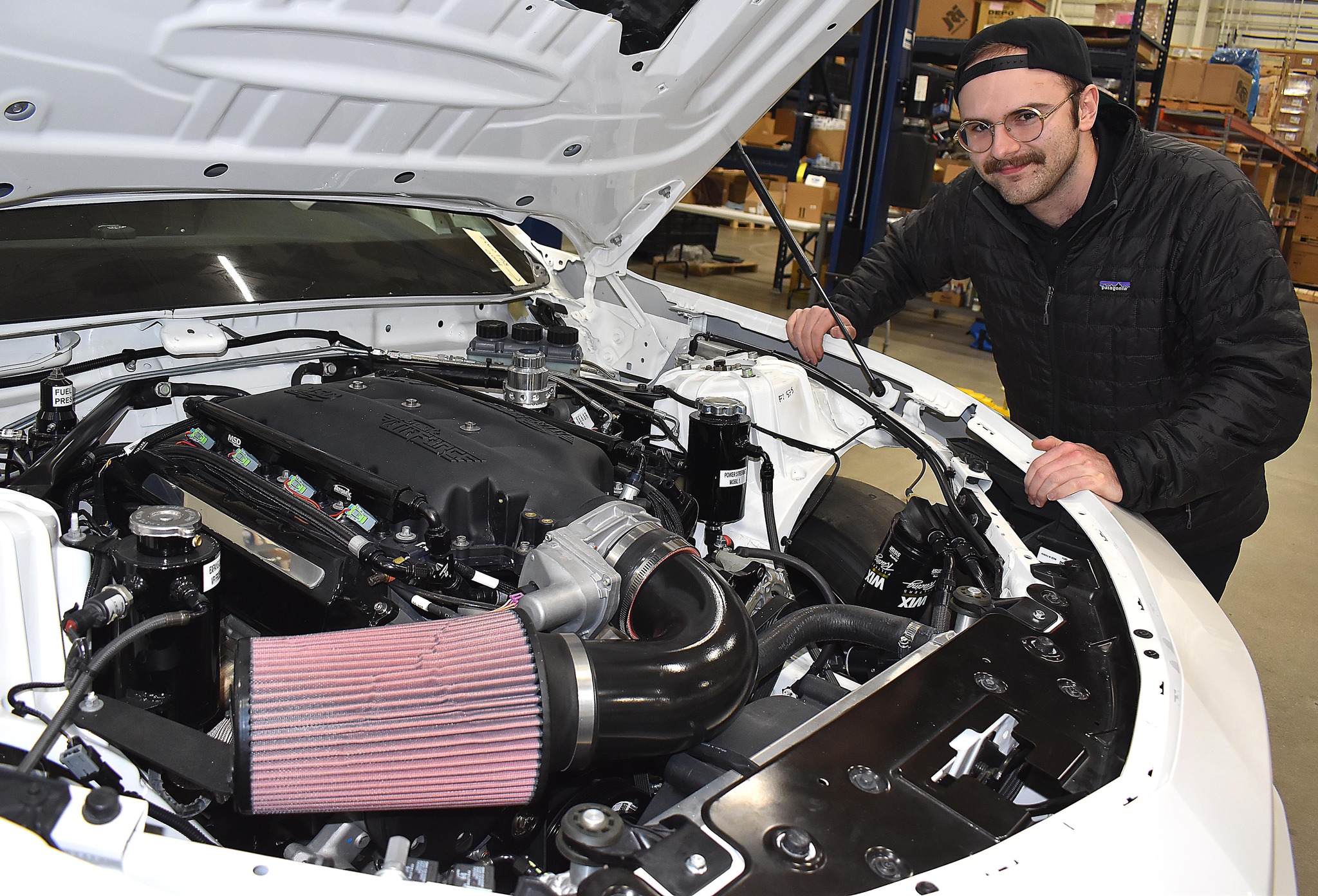
- Automotive Technology: Hosting the largest automotive program in Oakland County, this ASE-certified track begins in the 9th grade. After passing rigorous safety tests, students practice theory on industry-grade equipment in a state-of-the-art facility. By their fourth year, they engage in real-life, work-based learning experiences in the community and compete in high-level competitions like SkillsUSA and MITES. This program is NATEF (National Automotive Technicians Education Foundation) certified and often receives vehicle donations from local dealerships for practice.
- Radio & TV Broadcasting Technology: In a professional studio located right in the school, students master the technical and creative aspects of lighting, directing, audio, and graphics. This hands-on experience culminates in the production of daily announcements and the monthly magazine-style news show, Wildcat Weekend.
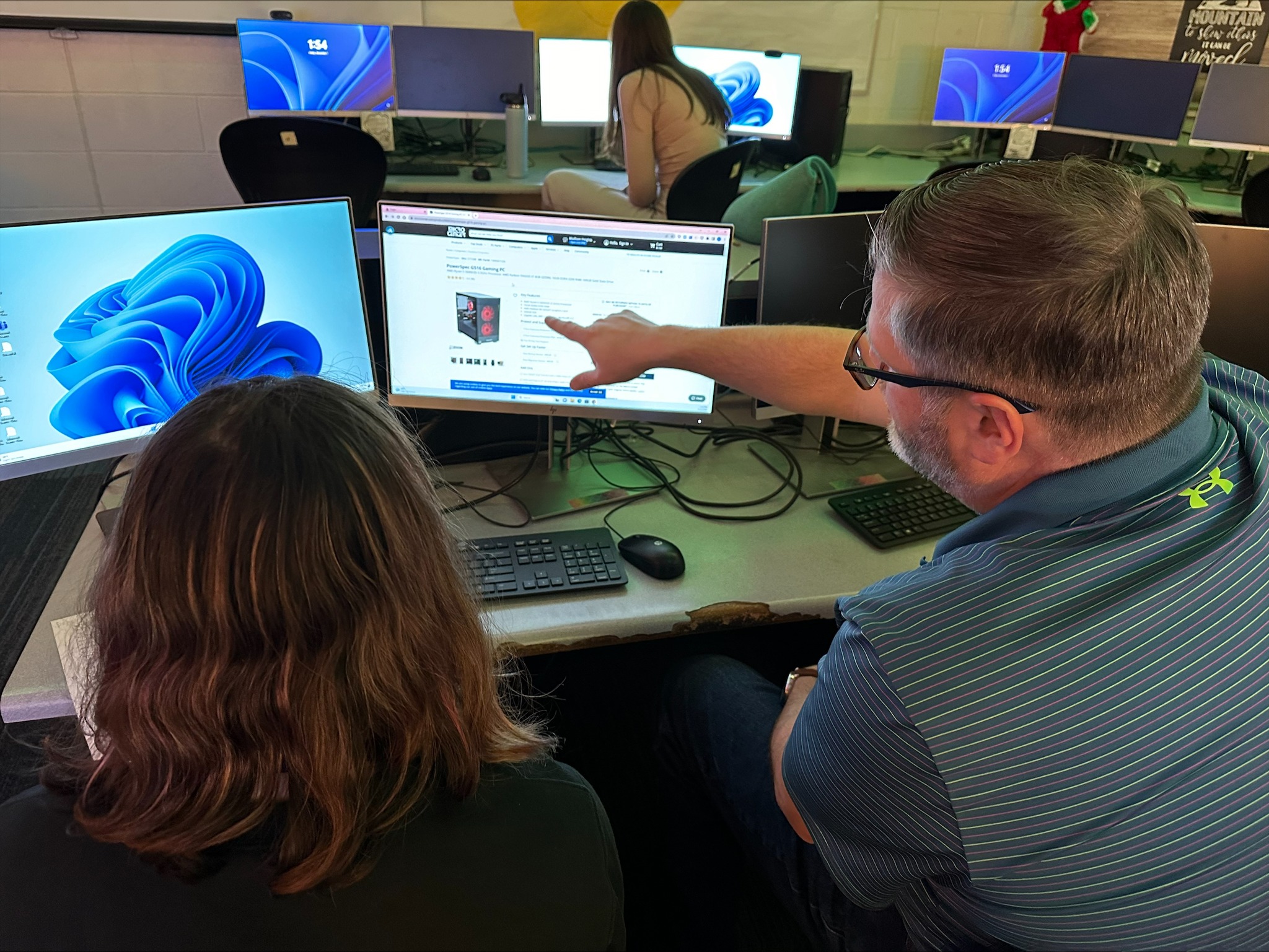
- Computer Programming: Students can pursue diverse digital pathways, including gaming, AP Computer Science, and AP Cybersecurity, ensuring they are prepared for the rapidly evolving tech landscape.
Empowering Futures with Oxford Schools Early College
For students looking to get a head start on their higher education, the Oxford Schools Early College (OSEC) offers an individualized, five-year path, entirely for free. This innovative program covers the cost of college tuition, fees, and textbooks, allowing learners to pursue an Associate Degree or 60+ transferable college credits from Lawrence Technological University, Rochester Christian University, Henry Ford College, Macomb Community College, Mott Community College, Oakland Community College, and Washtenaw Community College. Students pursuing a bachelor’s degree after their fifth year can take advantage of significant scholarship opportunities from OSEC’s partner universities. Rochester Christian University offers OSEC graduates a scholarship that reduces tuition to $7,000 per year, while Lawrence Technological University provides a half-tuition scholarship once they complete the Early College Program.
OSEC is defined by its extreme flexibility, offering seated, virtual, or blended course options to meet the unique needs of every learner. Students can take courses at OHS, through the Oxford Virtual Academy, or directly on the campuses of partner colleges. Notably, 25-30% of OSEC learners are completely virtual, and the district’s infrastructure allows them to remain a virtual learner from kindergarten through their 13th year. To ensure success in OSEC, every student is paired with a dedicated mentor who provides support from the beginning of the program through the final year of study. Students also report high levels of satisfaction with their ability to interact frequently with counselors, scheduling appointments whenever needed to ensure their courses align with their Educational Development Plan (EDP) goals.
Credit: OCS Facebook
The program creates a seamless transition to career opportunities by partnering with CTE programs. This allows students to obtain college credit for technical training in high-demand pathways such as marketing, IT, finance, and automotive. While pursuing these rigorous academic goals, OSEC students remain fully integrated into the school community, retaining access to all school sports, dances, the National Honor Society, and various clubs and activities.
During their 5th year, seniors complete a capstone course that centers on a student-led community service project. These projects provide a powerful bridge between the district and the community. For example, one OSEC student organized the "Oxford Gives Back Spring Cleanup," coordinating 800 volunteers to assist elderly and disabled residents with yard work. Another student organized a car show to raise funds for ALS research. These projects are celebrated at an end-of-year gala walk, where students showcase their impact on the community.
To ensure every student is equipped for the future, regardless of their chosen field, all 9th-graders enroll in a year-long online career and college prep course focused on essential soft skills and writing. By integrating CTE programs with International or Dance Conservatory options and Early College opportunities, OHS ensures that everyone can tailor their high school experience to their specific passions and professional goals.
Flexibility Through Virtual and Hybrid Learning
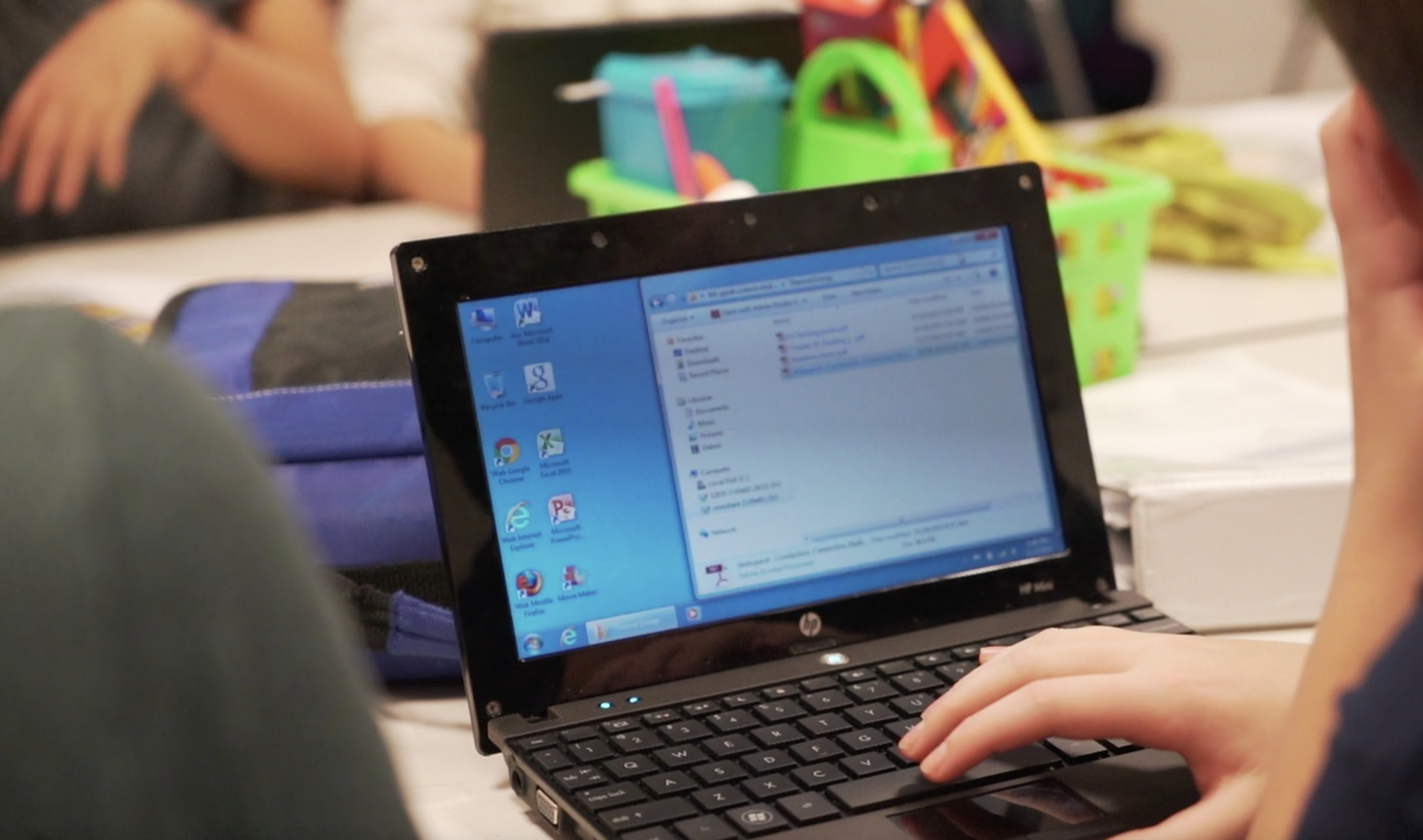
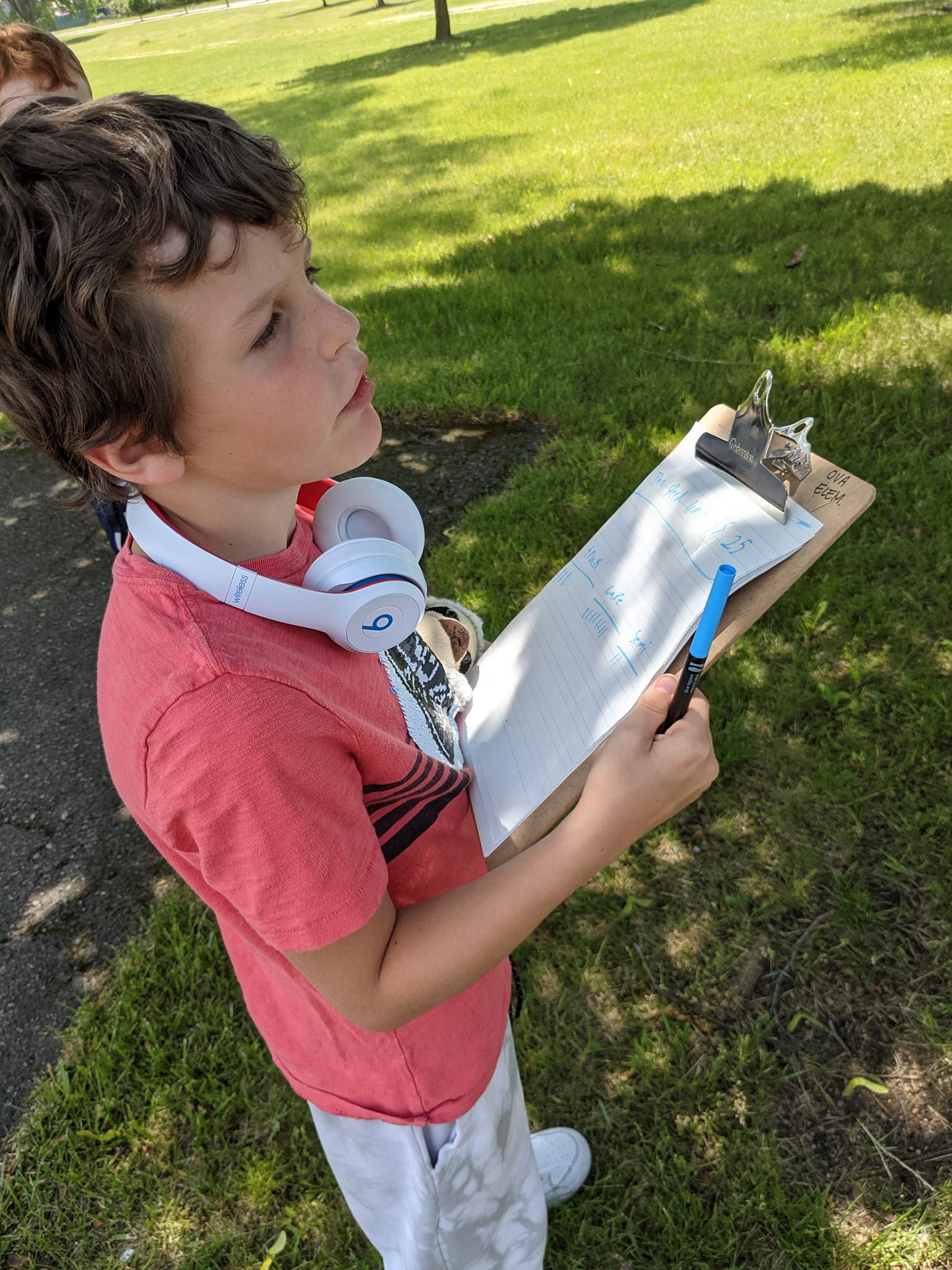
The Oxford Virtual Academy (OVA) serves as the cornerstone of the district’s commitment to flexibility, providing personalized learning environments for full-time virtual students and thousands more through part-time and shared-time programs. Established in 2011 as part of a vision to personalize learning for all, OVA allows learners to blend their education, mixing virtual, seated, dual enrollment, and partnership courses into a custom plan. This model is designed specifically for those whose lives do not fit into a traditional Monday–Friday, 8 a.m. to 3 p.m. box, including high achievers, professional actors, military families, and competitive athletes.
Personalization at OVA begins with a shared responsibility between students, families, and academic experts. To maintain a human touch in a digital landscape, teachers prioritize deep relationships through synchronous supports, open virtual sessions, and multiple communication platforms. This ensures that even the most remote learners feel connected to the school community. Personalization extends even to the curriculum itself; students are empowered to propose their own course topics based on personal interests, effectively transforming electives into high-engagement student-led clubs like the Environmental Club, Chess Club, and the American Sign Language Club.
One of the academy's most innovative features is the use of specialized learning pods, which currently serve about 150 students. These include:
- Athletic Integration: For student-athletes, such as those on hockey teams, academics are interwoven between ice time and training. Teachers travel to facilities for in-person instruction when teams are home and transition to virtual lessons when they are away.
- Family-Led Pods: These groups allow families to collaborate with a learning coach, often a parent, to facilitate core curriculum while maintaining full-time status.
Furthermore, the district recognizes that virtual learners sometimes need a physical sanctuary. OVA provides specialized on-site environments like the Quiet Cove for independent study and the Collaborative Den for active group discussion. Overall, the Oxford Education and Innovation Campus facility has two secondary learning centers and one elementary learning center. These spaces offer a home-like feel with movable furniture, a cafeteria, and access to certified teachers and special education services. While most students work from their own spaces, roughly 25-30% of online learners utilize these labs to overcome academic brain blocks, take exams, or join social clubs like Board Game Club or Cricut.
OVA’s impact reaches beyond traditional student populations to support vulnerable youth. Through a partnership with the House of Providence, a home for teen foster youth, students are able to pursue their core education in a supportive environment that mitigates the stress and anxiety of transitioning to a new school. They can also access partnership courses in the community, such as yoga, pottery, karate, and sewing.
The success of these programs is driven by a data-informed staff that meets weekly for professional development. Teachers use the Multi-Tiered System of Supports (MTSS) tailored for the online environment, using tools like learning contracts to help students take ownership of their progress. Whether it is K–5 staff coaching parents through interventions or high school mentors providing class tips to navigate difficult subjects, the staff at OVA ensures that innovation always meets the individual needs of the student first.
Bridging the Gap Toward Graduation and Future Careers
About 50-60 students in grades 10-12 enroll in Oxford Bridges High School (OBHS), an alternative academic program. To be eligible to enroll in Bridges, one must be behind in credits and not on track to graduate. Each student receives a personalized, planned program that leads to a diploma. The family/community environment allows students the opportunity to be accepted and supported so they can achieve success in their educational endeavors.
In addition to core teachers who assist learners through their individual programs, students have access to support. Courses are designed around a hands-on curriculum and assessment (i.e., a project-based model). Ninth-grade credit recovery courses in all subjects are available. Students who take virtual courses through a variety of vendors or OVA work in the staffed online learning lab. They can also participate in high school elective courses like languages and CTE, and have the option to attend O Tech (Oakland Schools Technical Campuses) or receive credit for work-based learning.
Cultivating Critical Thinkers at Oxford Middle School
On the east side of town, nearly 1,000 Oxford Middle School (OMS) students engage in a dynamic educational environment that prioritizes high-level academics. The school’s commitment to mathematics is particularly evident, with approximately 20% of the 8th-grade class entering high school having already completed Algebra and/or Geometry. To ensure all middle schoolers find success, OMS utilizes various interventions, including a team-taught 6th-grade math class and dedicated Math Lab elective courses where teachers personalize instruction to help students progress through the curriculum at their own pace.
The physical and instructional environment at OMS is designed to foster engagement and deep thinking. A visit to a sixth-grade Language Arts classroom reveals an extensive variety of alternative seating, decorated with books and plants to create a welcoming learning atmosphere. In math, the Building Thinking Classrooms model is employed, where 6th graders work collaboratively in groups at whiteboards to solve tasks, utilizing optimal practices designed for deep mathematical learning.
Beyond core subjects, students have vast opportunities to personalize their journey through STEM, world languages, and fine arts. The middle school’s STEM lab offers a progressive three-year track:
- 6th Grade (STEM I): Focuses on design, using Inventor software to create keyboard covers.
- 7th Grade (STEM II): Concentrates on automation, engineering careers, and robotic systems while utilizing the Onshape product development platform.
- 8th Grade (STEM III): Delves into fabrication and air races, or Intro to Computer Programming. Students also gain hands-on experience through Oakland ISD’s mobile STEMi lab.
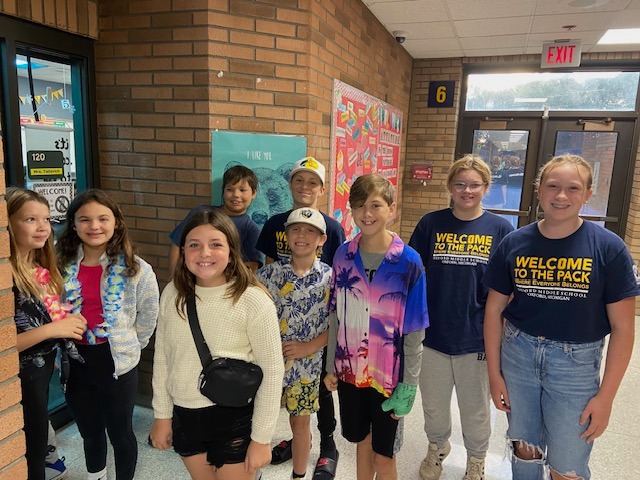
Outside of the classroom, students can connect through a diverse range of clubs, including robotics, theater, art, and the WEB (Where Everyone Belongs) leadership advisory program.
Supporting the Whole Child
The well-being of OCS’s students is prioritized through a comprehensive Multi-Tiered System of Support (MTSS) designed to meet both academic and social-emotional needs. A key component of this personalization is WIN (What I Need) Time, a daily period at the elementary level where learners receive targeted instruction. During this time, students may work with one of the district's reading or math interventionists in specialized rooms, while others engage in small-group work within their own classrooms to ensure everyone receives the specific level of support they require.
To provide targeted academic assistance, Oxford Middle School utilizes a tiered approach to intervention within its specialized learning labs. Tier 2 supports are delivered through dedicated math and literacy labs, where students receive focused instruction to bridge specific learning gaps. For those requiring more intensive Tier 3 support, the school offers programs centered on executive functioning and essential study skills. These services are provided through the Enrichment Center for students with Individualized Education Programs (IEPs) and the Academic Center for learners without an IEP who demonstrate similar needs.
This robust academic framework is matched by an equally dedicated commitment to emotional well-being, as supporting the whole child is central to the middle school mission. The school features a strong focus on its Positive Behavioral Interventions and Supports (PBIS) system, with clear expectations displayed throughout the building. As part of the broader MTSS framework, the middle school also features a Student Success Room, described as a serene, de-escalation space where any student with emotional needs can stop in at any time or have scheduled visits. This proactive resource has led to a significant reduction in discipline referrals. Similarly, Oxford Elementary has a dedicated social-emotional hallway housing the school psychologist, family school liaison, and social work rooms, allowing students to seek support in one location, no matter what is needed.
Credit: OCS website
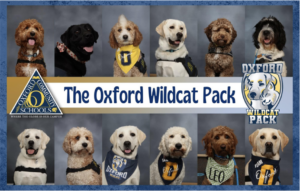
The district further fosters a peaceful learning environment through the Oxford Wildcat Pack (OWP), a team of 12 certified therapy facility dogs. These dogs are present in every building, providing an invaluable sense of calm, peace, and love to students and staff alike.
Finally, OCS ensures that support is integrated directly into the classroom through an inclusive co-teaching model. At the middle school, a special education co-teacher is assigned to each grade-level team, spending at least one hour a day in all core classes and providing additional support during enrichment periods. This structure ensures that both core curriculum and specialized interventions are delivered seamlessly, allowing every student to remain an active participant in their learning community.
Empowering Future-Ready Wildcats
To ensure the personalized paths lead to success, Oxford is fundamentally shifting how it measures achievement. By transitioning away from event-based grading toward outcomes-based (or standards-based) grading, the district is promoting increased student agency and a clearer picture of individual progress. This shift allows educators to “evaluate what we value,” specifically nurturing competencies such as perseverance, collaboration, and risk-taking alongside traditional curriculum outcomes. When these skills are evaluated through specialized rubrics, students begin to value them as well, becoming active partners who understand exactly what they have mastered and what they have yet to learn.
This commitment to personalization extends beyond the classroom through deep community integration. The district actively builds partnerships with families by hosting events like Parent Education Fairs and providing resources through Parent University. These initiatives, along with focused Parent-Teacher conferences, ensure that families are equipped to support their children's unique educational journeys.
The ultimate result of this holistic approach is the development of students who are empowered and excited for challenges. As one teacher observed, “students now see themselves as capable thinkers who are empowered to try and ready to collaborate on complex problems.”
By continuously revising and implementing the Portrait of a Graduate (PoG), Oxford Community Schools ensures its vision remains aligned with the evolving 21st-century landscape. This strategic focus on durable skills, such as innovative thinking, resilience, and complex problem solving, guarantees that the district remains a leader in preparing graduates to thrive in a rapidly changing world. At its core, OCS remains dedicated to the belief that career readiness is not a single milestone, but a lifelong journey of self-discovery and growth that begins in elementary school and continues long into adulthood.
Author: Lisa Sitkins, President and CEO, LSS Connections and Consulting LLC, March 2026
This work was written with the assistance of AI tools. The author takes full responsibility for the final content.